
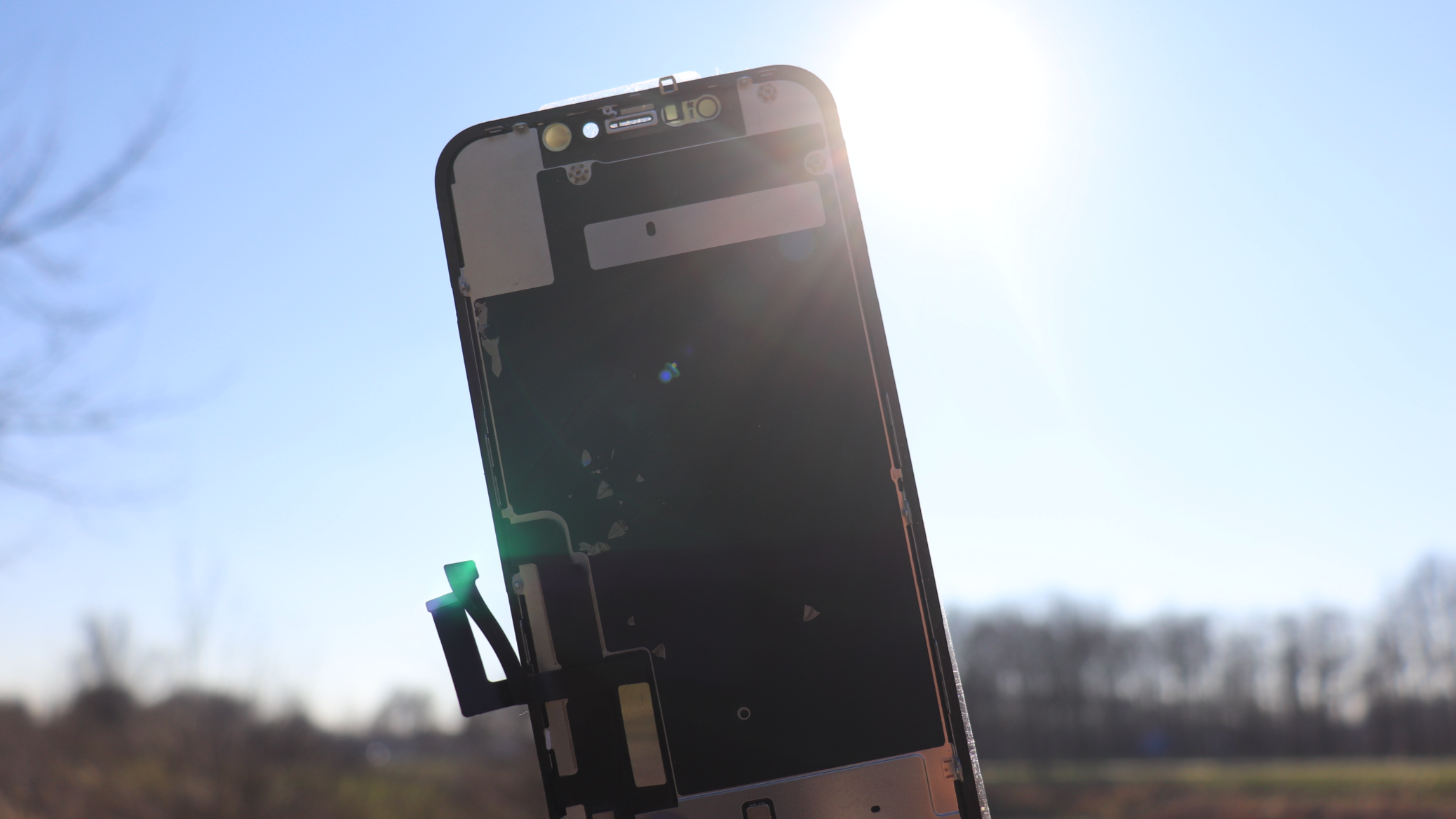
Welcome to the Kimeery blog, where we'll introduce the five different categories of screen quality, which can be broadly divided into two main families: LCDs and OLEDs. Within these two main categories, there are several subcategories offering a range of qualities and features, including InCell displays, flexible OLEDs, and rigid OLEDs.
To begin, let's analyze the LCD screen. It consists of four essential layers: the outer glass layer, a touch-sensitive layer, the display layer, and a backlight layer that illuminates the screen. The inclusion of the backlight layer is a defining characteristic of LCD technology, as it relies on this layer to produce visible images through the interaction between light and color.
In contrast, an OLED screen operates on a different principle. It is designed with fewer layers—specifically, only three. An OLED display consists of the glass layer, the touch-sensitive layer, and a combined display and backlight layer. This integration allows OLED screens to be thinner and more versatile, as they do not require a separate backlight to function. Instead, each pixel in an OLED display emits its own light, enabling deeper blacks and more vibrant colors than traditional LCD screens.
Backlighting:
- OLED: No backlighting is needed, as each individual pixel generates its own light. This characteristic results in deeper blacks and improved contrast levels.
- LCD: Uses backlighting to illuminate the screen, which can result in less sharp black tones and limited contrast.
Contrast and color reproduction:
- OLED: Provides superior contrast by managing pixels independently, resulting in vibrant colors and deeper black tones.
- LCD: Reliance on backlighting can result in less vibrant colors and less deep blacks.
Flexibility and leanness:
- OLED: Capable of being flexible and molded into curved or extremely thin shapes, contributing to a more elegant design. Rigid and flexible OLED options are available for iPhone displays.
- LCD: Generally less flexible and tend to be thicker than OLED screens.
Viewing angles:
- OLED: Offers excellent viewing angles, maintaining consistent brightness and color fidelity regardless of viewing position.
- LCD: Viewing angles may be limited, with possible color distortions at extreme angles. Wide viewing angles are essential for screens that may not be viewed directly, ensuring that image quality remains unchanged regardless of the viewer's perspective.
Energy consumption:
- OLED: Uses less energy when displaying dark images because the black pixels are completely turned off.
- LCD: Consumes a constant amount of energy due to continuous backlighting, regardless of the content displayed.
Lifespan:
- OLED: Lifespan may vary depending on usage; prolonged display of static images may lead to faster degradation compared to screens displaying dynamic content.
- LCD: Typically has a longer lifespan (around 7 years) and is less prone to problems such as premature wear.
Price:
- OLED: More expensive to produce due to complex manufacturing processes and materials, resulting in higher initial costs.
- LCD: Generally cheaper to manufacture, resulting in lower starting prices for LCD screens.
By understanding these differences, you can better appreciate technological advancements in screens and make informed choices about the type of display that best suits your needs and preferences. Whatever your preference, whether it's the classic reliability of LCD or the superior visual experience offered by OLED, our detailed comparisons will ensure you are well-informed about your options.


